
In today’s fast-paced world, technology is shaping both educational institutions and urban environments. From enhancing operational efficiency to improving safety and sustainability, technology is at the heart of both smart schools and smart cities. Despite the differing scopes, there are notable parallels in how both sectors use technology to foster better experiences for students and citizens alike.
The Role of IoT Devices in Smart Environments
In smart schools, the use of Internet of Things (IoT) devices is revolutionizing various operational aspects. These connected devices streamline everything from classroom management and attendance tracking to building maintenance and learning tools. Interactive technologies, like smart boards and connected tablets, elevate the learning experience, while automated systems for heating, ventilation, and air conditioning (HVAC) maintain optimal environments for students.
Similarly, IoT is a cornerstone of smart cities, where devices such as security cameras, traffic management systems, and waste management sensors create more efficient urban spaces. These interconnected devices allow cities to manage public services effectively, reduce congestion, and improve safety across neighbourhoods. The common thread is the use of IoT technology to enhance the management and functionality of both campuses and urban spaces, driving greater operational efficiency and improving user experiences for both students and city residents.
Advancing Energy Efficiency and Sustainability
Energy management is a significant focus for smart schools, which often install energy-efficient lighting, HVAC systems, and climate controls to reduce consumption. Motion sensors and automated systems adjust environmental settings based on classroom occupancy, ensuring sustainability while lowering costs.
Smart cities are taking energy efficiency to the next level by incorporating smart grids and renewable energy solutions. Through real-time monitoring and management of energy consumption, cities can reduce waste, optimize energy distribution, and support long-term sustainability goals.
While the scale of implementation varies, both smart schools and smart cities prioritize energy efficiency as a means to reduce their environmental footprint. Schools focus on energy-efficient building systems, while cities employ large-scale energy networks. The common goal is the same: a sustainable future supported by advanced technology.
Revolutionizing Security with Smart Solutions
Ensuring safety in both smart schools and smart cities is a top priority. Schools deploy advanced security measures like surveillance cameras, access control systems, and emergency response protocols to safeguard students and staff. Facial recognition technology, for example, can monitor entrances and improve school security.
Likewise, smart cities use integrated security solutions, such as intelligent street lighting, surveillance cameras, and real-time crime monitoring, to protect public spaces. Emergency systems, like smart dispatching and communication networks, help cities respond swiftly to incidents and maintain public safety.
Both environments rely on the latest in security technology to protect their populations. Whether it’s monitoring school entrances or enhancing public safety in city streets, the focus is on ensuring safe, secure environments using cutting-edge tools and systems.
Engaging Communities Through Digital Tools
Community involvement plays a key role in both smart schools and smart cities. Schools are increasingly adopting digital communication platforms to engage parents and guardians. Online portals, mobile apps, and virtual meetings make it easier for parents to stay informed and actively participate in their children’s education.
Similarly, smart cities use digital platforms, social media channels, and online forums to foster communication between government officials and residents. These tools create a more transparent, participatory environment where citizens can voice concerns, participate in local decisions, and stay up-to-date on urban developments.
By utilizing digital communication, both smart schools and cities ensure that their communities are informed and engaged, fostering a sense of collaboration and involvement.
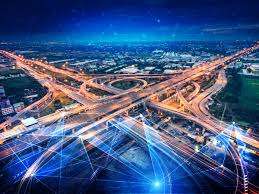
The Importance of Network Infrastructure
As both smart schools and cities become more reliant on IoT devices, having a robust and reliable network infrastructure is crucial. Advanced networking solutions ensure seamless connectivity, secure data transmission, and optimal performance for all interconnected devices.
For smart schools, Extreme Networks offers solutions designed for high-density environments to improve Wi-Fi coverage in educational institutes and provide robust security. Reliable networking is key for supporting digital learning tools, smart building systems, and other technologies that enhance the educational experience.
In smart cities, Extreme Networks provides scalable, resilient solutions capable of handling the vast amount of data generated by IoT devices. These solutions enable cities to manage everything from traffic flow to public safety and utilities in real time, ensuring the technological infrastructure is prepared to handle large volumes of information.
Both smart schools and smart cities depend on reliable, secure, and scalable network solutions to support their interconnected technologies and ensure smooth operations.
Enhancing Smart Building Environments
There are many parallels between the development of smart schools and smart cities, particularly in how technology is integrated to improve efficiency, sustainability, and security. While the contexts differ, the benefits of adopting these innovations are clear across both sectors.
Educational leaders in K-12 schools can draw valuable insights from the technological advances found in smart cities, applying similar strategies to create more efficient, sustainable learning environments. Likewise, urban IT professionals can look to the success of smart schools as a model for enhancing city management and services.
The journey toward smarter schools and cities demonstrates the transformative power of technology in creating safer, more efficient, and more sustainable environments. By embracing these innovations, educational institutions and urban areas alike can look forward to a future where technology drives better outcomes for students and citizens, enhancing their quality of life and fostering stronger communities.
Recent Resources
-
 Gain Full Spectrum Visibility with Mobile Eye Wi-Fi Monitoring from 7SIGNAL
 - Sapphire Eye Enterprise Wi-Fi Monitoring: The Smarter Way to Optimize Your Wireless Networks
- Stronger Enterprise Network Optimization Starts with eT Network Patrol
- eT Network Patrol + 7SIGNAL: The Highest Standard in Wireless Network Optimization
- Transforms Enterprise Network with Proactive Wi-Fi Monitoring by eTribeca and 7Signal


